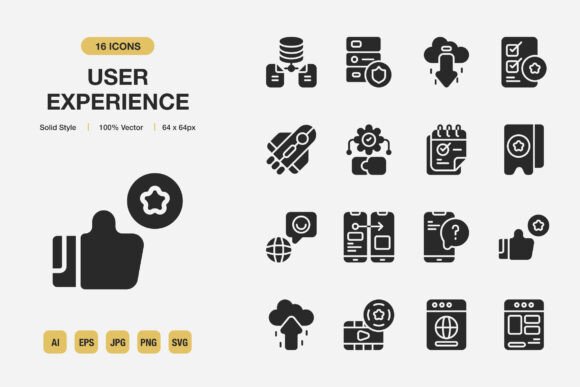
User Experience Solid Icons
As an embroidery designer and product reviewer, I always look for designs that bring clarity, consistency, and visual appeal to my projects. User Experience Solid Icons caught my attention not just for its minimalist aesthetic, but for how it translates into real-world embroidery applications. Whether you're working on custom apparel, personalized gifts, or commercial embroidery, these icons offer a clean, professional look that can elevate your finished products.
First Impressions: A Minimalist Approach with Practical Potential
The first thing that stands out about User Experience Solid Icons is their simplicity. The design language is clean, modern, and uncluttered—perfect for a wide range of applications. The shapes are well-proportioned, the lines are precise, and the overall layout feels intentional. This makes them ideal for embroidery projects where clarity and visual impact matter most.
These icons seem to be designed with versatility in mind. They work well on both light and dark fabrics, and their solid forms make them easy to stitch without getting lost in fabric texture. Their minimalist style also means they can blend seamlessly into a variety of design themes, whether you're creating a handmade product for a boutique shop or a digital asset for a client.
Real-World Use: From Tote Bags to Baby Items
I recently used User Experience Solid Icons for a custom embroidered tote bag design. The icons added a subtle yet sophisticated touch that made the tote stand out. They were easy to stitch, and their simple form allowed for clear visibility even on a large hoop size. The result was a polished, professional-looking product that felt like a premium item.
Another project involved a baby onesie with a small embroidered patch. Here, the icons performed well, especially when using a satin stitch for the outlines. The detail level was sufficient for a small scale, and the design didn’t get lost in the fabric. For baby items, this is crucial—parents want something that looks good and is easy to recognize at a glance.
For holiday-themed embroidery, such as a Christmas ornament or a festive pillow cover, the icons provided a clean, timeless look. Their simplicity meant they could be easily adapted to different color schemes and fabric types, making them a flexible choice for seasonal projects.
Considerations for Specific Applications
While User Experience Solid Icons are generally versatile, there are a few scenarios where care is needed. On small hoop sizes, some of the finer details might not come through as clearly. If you're planning to use them on a cap or a curved surface, you may need to adjust the design slightly to ensure it sits properly on the fabric.
Textured or stretchy fabrics can also affect how the icons appear. In such cases, using a proper stabilizer is essential to prevent distortion. Thin or dark fabrics may require careful selection of thread colors to ensure the icons remain visible and don’t fade into the background.
When working with dense stitch areas or decorative accents, it's important to review the stitch density. Too much stitching can cause the fabric to pucker or the design to lose its shape. Testing the design on scrap fabric before committing to a full project is always a good idea.
Impact on Visual Appeal and Customer Perception
User Experience Solid Icons add a level of professionalism to any embroidery project. Their clean lines and consistent style help create a cohesive look, which is especially important for small business owners and Etsy sellers looking to build brand recognition. Customers often associate well-designed elements with quality, so these icons can enhance the perceived value of your handmade products.
For personalized gifts, the icons provide a subtle yet meaningful touch. Whether it’s a custom apron, a personalized gift bag, or a branded kitchen towel, the icons contribute to a more refined and thoughtful presentation. This can make a big difference in how customers perceive the effort and care put into each item.
From a commercial perspective, these icons are great for printable mockups and digital product previews. Their simplicity makes them easy to adapt for different marketing materials, and their clean appearance helps maintain a professional image across all platforms.
Practical Designer Notes
Before finalizing any project, I always recommend testing the design on scrap fabric. This allows you to see how the icons look in real conditions and make any necessary adjustments. Checking thread color contrast is equally important—especially if you’re working with dark or patterned fabrics.
Reviewing the stitch density and confirming the hoop size will help avoid issues during the actual embroidery process. Inspecting small details and testing the design in black and white mockups can also reveal potential problems that might not be obvious at first glance.
Finally, make sure the design works for both personal and commercial projects. Confirming the licensing terms before selling finished items or digital products is a must. User Experience Solid Icons seem to be well-suited for these purposes, but it’s always wise to double-check the specifics.
Conclusion: A Reliable Choice for Creative Entrepreneurs
User Experience Solid Icons are a solid addition to any embroidery designer’s toolkit. Their minimalist style, clean lines, and versatility make them suitable for a wide range of projects—from custom apparel to holiday gifts. While they may not be perfect for every application, their performance in real-world scenarios shows that they can deliver consistent results when used thoughtfully.
Whether you're a small shop owner, a craft business enthusiast, or a digital product seller, these icons offer a practical and stylish solution that can enhance your work and meet customer expectations. With the right approach, they can become a go-to resource for your next embroidery project.