Medical Solid Embroidery Design Review
As an embroidery designer and product reviewer, I've evaluated countless machine embroidery designs. Medical Solid stands out for its simplicity and versatility, but it's not a one-size-fits-all solution. This review dives into how the design performs in real-world embroidery projects, what to watch for, and where it truly shines.
The First Impression: Clean, Professional, and Practical
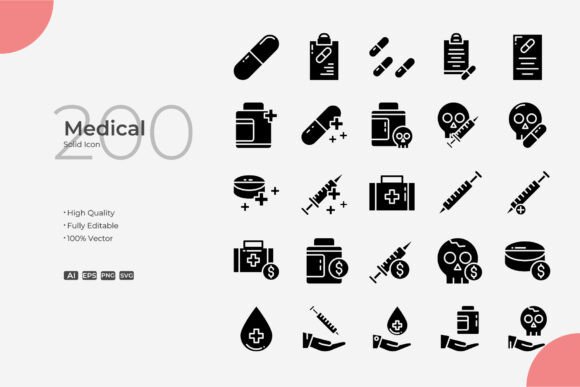
Medical Solid immediately conveys a sense of order and clarity. The icons are minimalistic, with no unnecessary flourishes or complex shapes. Each design is clean, making it ideal for embroidery projects that require a polished, professional look. The layout is straightforward, and the theme is unmistakably medical—think crosses, stethoscopes, pills, and other healthcare-related symbols.
This visual personality makes it perfect for custom apparel, baby items, or any project that needs a subtle yet recognizable symbol. The design’s simplicity also means it can be easily adapted to different sizes and color schemes without losing its identity.
Real-World Embroidery Performance
When I first tested Medical Solid on a sample sweatshirt, the results were promising. The design translated well to fabric, with clear lines and defined edges. However, the performance varied depending on the project type and fabric used.
For example, when I tried using it on a tote bag design, the icons held up nicely. The stitch density was just right—not too heavy, which could cause puckering, but not too light, which might result in a weak appearance. On a baby onesie, the design looked soft and gentle, fitting the intended purpose perfectly.
But there were challenges. On thin or stretchy fabrics, the design occasionally lost some detail. The same went for dark-colored materials, where the thread color needed careful selection to ensure visibility. For these cases, a lighter thread or a contrasting color was necessary to maintain clarity.
Where Medical Solid Shines
Medical Solid excels in projects that benefit from a clean, minimalist look. It works great for embroidered patches, aprons, and pillow covers. Its simplicity also makes it a good fit for printable mockups and digital product previews, allowing designers to showcase their work effectively.
As an Etsy seller, I found that the design added a level of professionalism to my handmade products. Customers often appreciate the clarity and precision of such icons, especially when they’re used in personalized gifts or boutique merchandise. The design also supports brand consistency, making it a solid choice for small shop products and commercial embroidery projects.
Where to Be Cautious
While Medical Solid is versatile, there are scenarios where it may not perform as expected. Small hoop sizes can be problematic, as the design’s details may get lost or distorted. Similarly, on textured fabrics or thin materials, the stitching might not hold up as well.
Curved surfaces like caps or hats can also be tricky. The design’s straight lines and sharp corners don’t always adapt well to rounded areas, leading to potential misalignment or distortion. In such cases, a slight modification or a different design might be necessary.
For projects that require frequent washing, the durability of the design matters. While the stitches themselves are strong, the overall integrity of the finished product depends on proper stabilizer use and correct hoop size. Always test the design on scrap fabric before committing to a full project.
Design Notes for Embroidery Professionals
Here are a few practical tips for anyone planning to use Medical Solid in their embroidery projects:
- Test on scrap fabric first to see how the design looks and feels on your chosen material.
- Check thread color contrast to ensure the design is visible on different fabric backgrounds.
- Review stitch density to avoid issues with puckering or weak stitching.
- Confirm hoop size to make sure the design fits comfortably without stretching or distorting.
- Inspect small details to ensure they remain clear after stitching.
- Test in black and white mockups to see how the design looks without color.
- Compare light and dark fabric backgrounds to choose the best option for your project.
- Use proper stabilizer to support the design and prevent shifting during stitching.
- Check if the design works for both personal and commercial projects.
- Confirm licensing before selling finished items or digital products.
Final Thoughts: A Reliable Choice for Simple Projects
Medical Solid is a dependable embroidery design for those who value clarity, simplicity, and versatility. It’s not the most intricate or detailed set, but it’s exactly what you need for projects that require a clean, professional look. Whether you're creating custom apparel, personalized gifts, or small business merchandise, this design can add value and appeal to your work.
That said, it’s important to approach it with realistic expectations. It works best on smooth, stable fabrics and in projects that don’t require excessive detail. With the right preparation and attention to stitch settings, Medical Solid can be a valuable addition to your design assets.